Cleaning method
5 places beach sand hides, and how to clear each one.

Sand is not dust. It is heavy, so it sinks through carpet pile instead of sitting on top of it. It is abrasive, so it scratches hard floors underfoot and can damage unsuitable cleaning equipment. And it arrives damp, which is the state most cleaning tools handle worst.
These five hiding places are ranked by how long sand stays put if you do nothing — which is also the order in which it is worth dealing with.
Forever Sticky
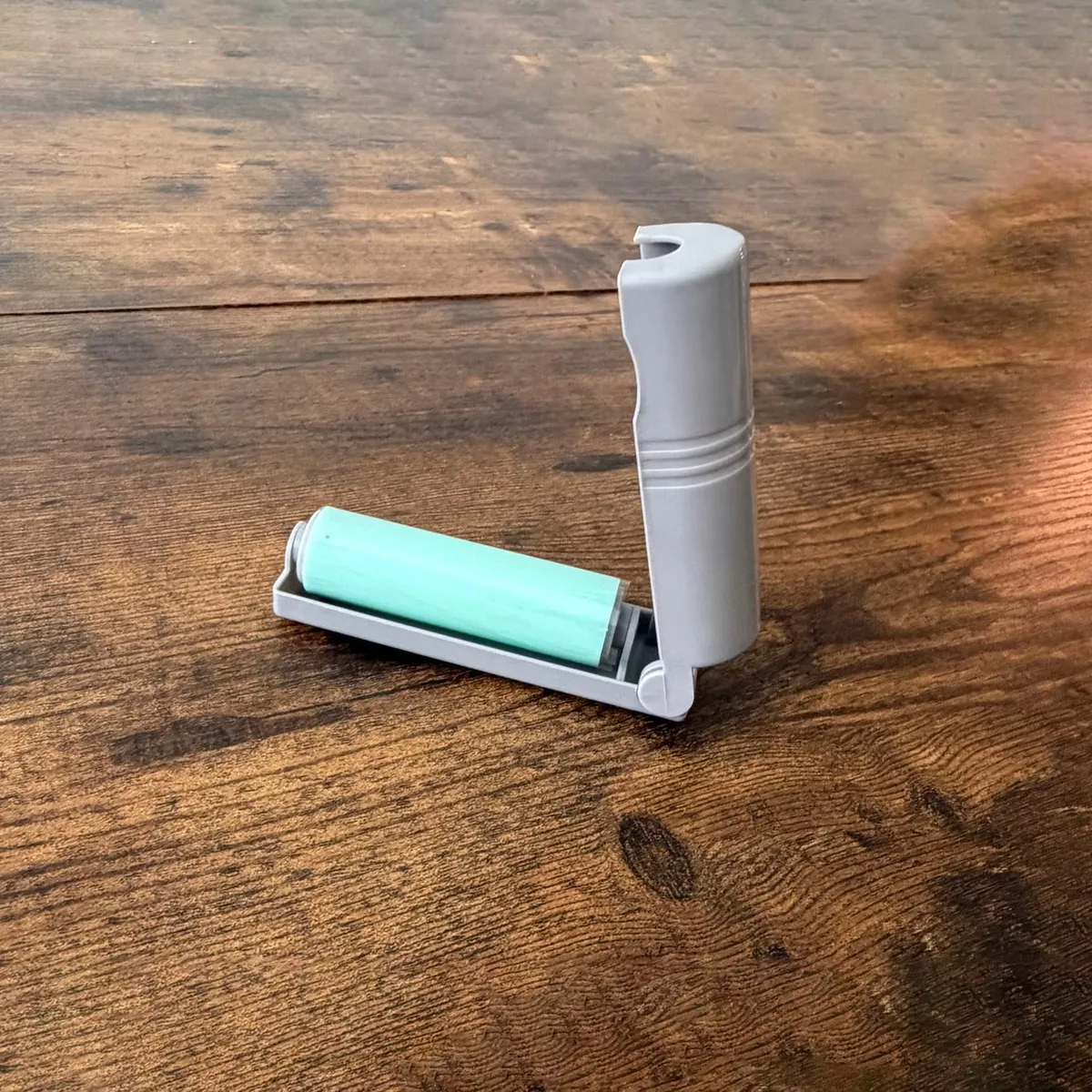
The car footwells and seat seams
The place sand lives longest, because it arrives damp, dries in place, and works into the mat pile where nothing casual reaches it.
- Best for
- Anyone whose beach access involves driving, which is almost everyone.
- Cost
- $11.95 for a travel roller in the glovebox.
- Buy
- View product
The car is where the sand gets into everything else. Clear it there and the house, the hallway rug and the laundry never see most of it.
A silicone roller needs the sand dry to grip it — give it a minute after the doors open, or blot with a towel first. An adhesive sheet is worse off either way: it shreds the moment it touches wet grit and leaves you peeling soggy paper off a floor mat.
Take the mats out and roll them outside. Sand freed from a mat inside the car just relocates to the carpet under it.
Where it losesSand in the seat rails and under-seat channels needs a vacuum with a crevice tool. A roller reaches surfaces, not gutters.
Rinse sand from skin and swimwear before getting in
Rinsing outside keeps loose sand out of the car and house.
- Best for
- Sandy feet, hands and washable swimwear.
- Cost
- Water and a towel.
Use fresh water to rinse sand from skin, then pat dry with a towel. Keep sand away from eyes and avoid rubbing irritated skin.
Shake and rinse swimwear and shoes separately, following their care instructions. The Pet Mitt is a pet-grooming product; we do not recommend it for cleaning children.
Where it losesNeeds access to water and does not clean the car seats or floor mats.
Entryway tile, hardwood and the first three feet of hallway
The sand you can hear underfoot, and the sand that is actively abrading the floor finish while it sits there.
- Best for
- Any hard floor between the door and the rest of the house.
- Cost
- $44.95 for a rubber-bristle broom.
Sand underfoot on a hard floor works like sandpaper. Clearing it is floor maintenance rather than tidiness, and it is worth doing the same day.
Soft rubber bristles gather sand into a line without the scatter a stiff-bristled broom produces, and they work on a wet floor — which matters when the sand has arrived on wet feet.
Do the entryway before anyone walks farther in, so grit is not tracked through the house.
Where it losesIt gathers rather than captures, so a dustpan is still involved. On a deep doormat, the sand is below the surface and needs shaking out rather than sweeping.
Bags, backpacks and the trunk liner
Sand here survives for weeks, because nobody empties a beach bag until the next beach day.
- Best for
- Beach bags, cool boxes, backpacks, the car trunk, RV storage lockers.
- Cost
- Free, plus a roller you already own.
Turn bags fully inside out and shake them outdoors. Sand collects in the corner seams, which stay closed when a bag is merely tipped up.
A roller across the inside lining takes what shaking leaves, especially in canvas and rubberized fabric where dry sand grains lodge in the weave. Let any damp patches dry first — the roller needs a dry grain to grip.
Do this the same day. Sand that dries in a seam and gets zipped away comes back out at the worst moment — usually onto a car seat you have just cleaned.
Where it losesSome sand simply lives in a beach bag permanently, and past a point that is fine. Prioritize the bags that come indoors.
Rugs, doormats and low-pile carpet
Ranked last because sand here has already sunk below the surface, and the fix is different from the other four.
- Best for
- Entry mats, hallway runners, RV and boat carpet.
- Cost
- Free, or a shop vacuum.
Sand sinks. By the time you notice it in a rug, most of it is at the backing rather than on the pile, and a surface tool will not reach it.
If the care label allows, take the rug outside and shake it. Vacuum remaining grit using a suitable floor setting.
Then vacuum from the back of the rug rather than the front — it pushes the sand back toward the surface it came from.
Where it losesA heavily loaded rug may need professional cleaning, and a doormat that has taken a season of beach traffic is often cheaper to replace than to rescue.
The routine at the car
Do this before anyone walks inside
- Shake out towels and swimsuits well away from the car, downwind.
- Rinse sand from skin with fresh water and pat dry before getting in.
- Pull the floor mats out and roll or beat them on the ground beside the car.
- Roll the seats and footwell carpet while the doors are still open.
- Turn bags inside out and shake them before they go in the trunk.
| Hiding place | Tool | When to do it |
|---|---|---|
| Car footwells and seams | Travel roller, then a vacuum for rails | At the car, same day |
| Skin, hair, swimsuits | Fresh water and a towel | Before getting in the car |
| Entry tile and hardwood | Rubber-bristle broom | Same day — it abrades |
| Bags and trunk liner | Shake out, then roll the lining | Same day |
| Rugs and doormats | Beat outdoors, vacuum from behind | Whenever it is noticeable |
How we ranked these
By how long sand persists in each place if left alone, and by how much of it moves on to somewhere else. The car ranks first on both counts — it is the longest-lived reservoir and the source of nearly everything that reaches the house.
Rugs rank last not because sand there does not matter, but because by the time you see it the fix is mechanical rather than a tool choice, and no roller or broom changes that.
Frequently asked questions
- How do you get beach sand out of a car?
- Take the floor mats out and beat or roll them on the ground beside the car, then use a silicone roller across the seats and footwell carpet once they have dried with the doors open. Use a vacuum with a crevice tool for the seat rails and under-seat channels.
- Can you vacuum beach sand?
- Only in small amounts, and preferably with a shop vacuum. Sand is heavy and abrasive: it packs into the hose, loads the filter immediately and wears motor bearings. Sweep or lift the bulk first and vacuum only the residue.
- How do you get sand off skin quickly?
- Rinse skin with fresh water and gently pat dry. Shake out and rinse swimwear separately, following its care label. Avoid rubbing sand into irritated skin.
- Why does a lint roller not work on wet sand?
- The adhesive sheet tears as soon as it meets damp grit, and the paper backing disintegrates. A silicone roller does not grip wet sand either — no roller does — but it survives the moisture undamaged, so once the sand dries it rinses clean under a tap and lifts it in one pass.
